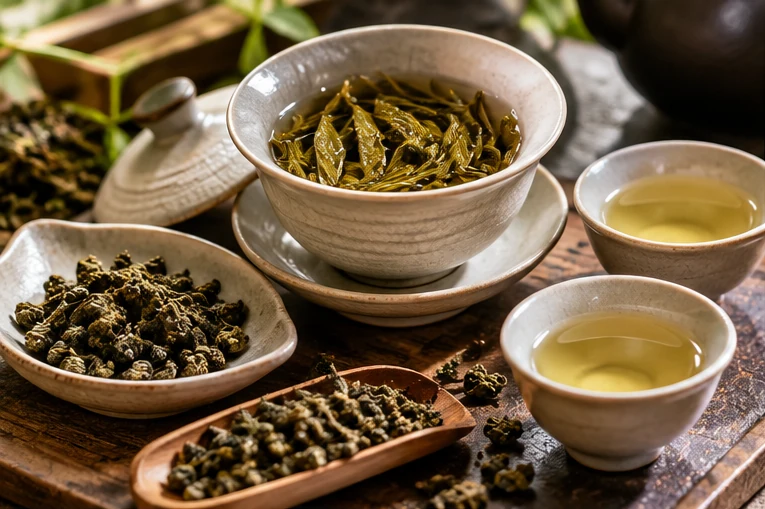
Green & true teas
Learn the six processing families and why all true tea contains caffeine.
Explore the guide ↗Singapore-born · A world of tea · Better-informed everyday choices
OngTeh 王茶 · A Singapore-born guide to tea and everyday wellness
Understand what you drink: tea, botanicals, caffeine and simple habits for everyday wellbeing. Explore the science, enjoy the ritual, and skip the miracle claims.
Independent tea education · Sources linked throughout · Not a substitute for medical advice

An everyday ritual, explored with curiosity.
Tea, ingredients & evidence
Use our growing tea reference library to compare leaves, herbs, caffeine and traditional uses—then read what research supports and what remains unknown.
Learn the six processing families and why all true tea contains caffeine.
Explore the guide ↗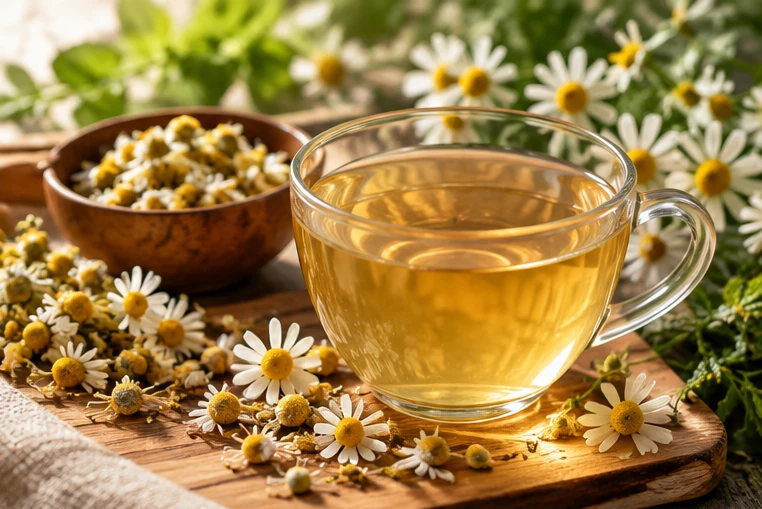
A cosy ritual is not a proven insomnia treatment. Understand the distinction.
Explore the guide ↗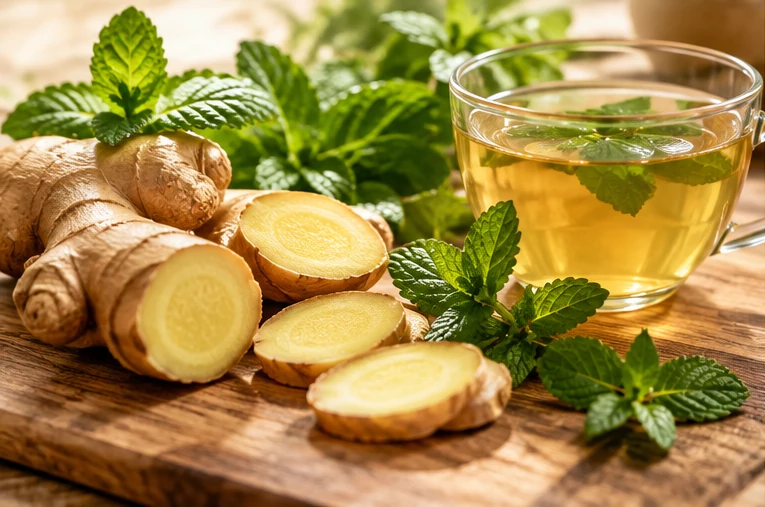
Ginger research, peppermint oil and brewed-leaf evidence are not identical.
Explore the guide ↗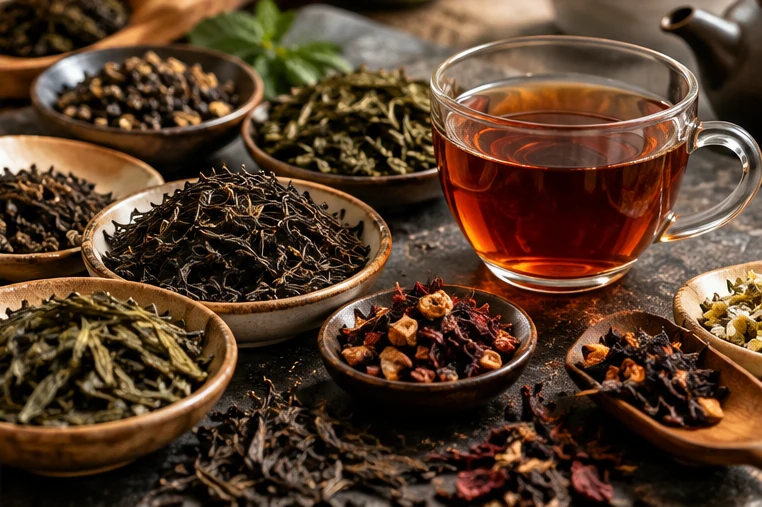
Browse styles, origins, caffeine categories and cultural names in one place.
Explore the guide ↗Photography in this section is AI-generated editorial imagery; it illustrates tea rituals rather than identifying plants or documenting clinical effects.
Start with a real question
From a cup before bed to a ginger infusion after lunch, Tea Notes explains what research supports, what remains uncertain, and what to check before drinking.
Which tea should you drink before bed? Compare caffeine-free choices, chamomile evidence and a practical evening routine without sleep-cure promises.
Read the guideA practical digestion guide to ginger, peppermint tea, reflux and post-meal habits, separating clinical evidence from marketing claims.
Read the guideUnderstand naturally caffeine-free infusions, decaffeinated tea, low-caffeine claims and how to check for hidden caffeine.
Read the guideWhat green tea research suggests for health, why extract findings differ from a brewed cup and what caffeine-conscious readers should know.
Read the guideExplore calm tea rituals, caffeine-aware choices and why relaxing drinks should not be marketed as anxiety treatments.
Read the guideA responsible herbal tea safety checklist covering allergies, drug interactions, pregnancy, concentrated extracts and ingredient labels.
Read the guideYour moment. Your cup.
Tea moments that don't depend on a caffeine rush. Discover botanical infusions and carefully explained decaffeinated options.
Quiet, naturally caffeine-free infusions designed around the evening ritual—not promises to treat stress or sleeplessness.
These guides discuss types of tea and ingredients, not personalised treatment plans. Always check the caffeine and ingredient list of any specific product.
A simpler way to start
No need to memorise tea names. Begin with a time of day, caffeine preference and flavour. Results are general ingredient ideas, not products for sale or medical recommendations.
Understand caffeine labelsFour principles
Simple does not mean ordinary. It means every ingredient, origin and choice has a reason to be there.
Enjoyable leaves and botanicals, thoughtfully prepared and clearly explained.
Additions should serve the cup—not disguise what is in it.
Caffeinated and caffeine-free directions for different moments and routines.
Stories of place, cultivar and craft made relevant rather than intimidating.
A world beyond one tradition
Discover traditions and flavour profiles across tea-growing regions. Explore origin stories without needing to become an expert.
Oolong, black, white and fermented teas shaped by altitude, cultivar and centuries of craft.
Explore this origin story ↗ ThailandDistinctive teas and botanicals from emerging growing regions, interpreted with care and context.
Explore this origin story ↗ JapanTeas recognised for freshness, umami and disciplined processing—from everyday cups to refined grades.
Explore this origin story ↗ BeyondFrom South Asia to Africa and Southeast Asia, tea traditions provide wonderful stories about people, growing regions and preparation.
Explore this origin story ↗Made for people who read before they drink
Many readers want useful tea information without elaborate wellness promises. OngTeh focuses on ingredients, traditions, caffeine and evidence in plain language.

The name behind the cup
OngTeh brings together a sense of auspiciousness with the familiar Southeast Asian word for tea. The crowned cup keeps that idea welcoming: confident without becoming formal.
Tea for every part of the day
From a morning tea to an evening botanical infusion, different drinking routines deserve clear choices.
Caffeine-free drinks for a steady start, plus clearly explained decaf possibilities.
Refreshing tea moments, with lower-caffeine aims only when recipes can support them.
An unsweetened, caffeine-free alternative for conversations and slower hours.
Botanical infusions without naturally occurring caffeine, built for an evening ritual.
Why OngTeh reads the research
We enjoy classic tea rituals while making clear when a health claim lacks strong evidence.
Findings for capsules and extracts may not apply to an ordinary cup of tea.
Caffeine, allergies, medicine interactions and pregnancy precautions deserve equal attention.
Tea can be enjoyable and part of a balanced lifestyle, but it should not be described as a cure for insomnia, anxiety, IBS or other conditions.
Our education separates evidence from tradition and highlights caffeine, interactions, allergies and other considerations.
Read the health information disclaimer