
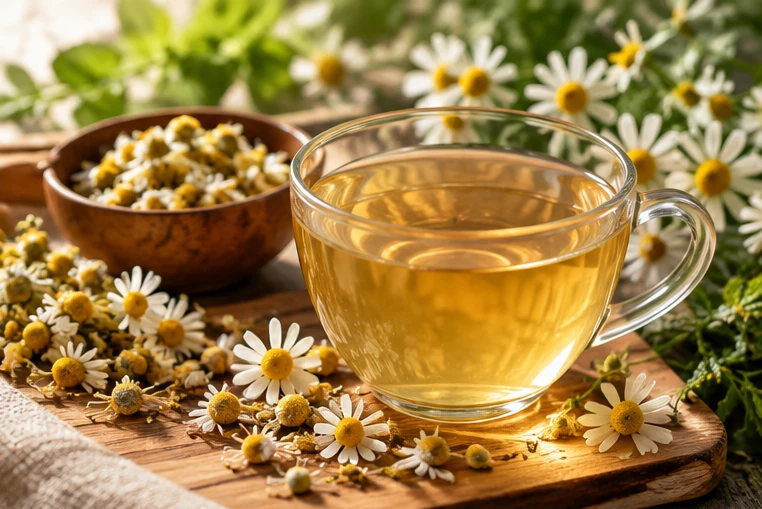
Evidence snapshot: safety depends on the plant, preparation, quantity and the person drinking it.
Tradition and current beliefs explain why people use a tea or herb; they are not proof of a treatment effect. Research applies only to the specific preparation and dose studied. Results from oil, capsule and extract trials must not be presented as demonstrated benefits of a brewed cup. Sources are linked for independent checking. These guides have not had external clinical peer review.
Food-style infusion versus concentrated supplement
A culinary cup and a highly concentrated botanical extract are not equivalent. Clinical research may use capsules or extracts with defined amounts that cannot be inferred from a bag or homemade infusion.
Do not put essential oils into a drink or assume that “more is better”. Only use ingredients sold as food-grade and follow safe preparation instructions.
Interactions are real
NCCIH documents potential interactions involving herbs and prescription drugs. Chamomile, for example, has reported interactions with warfarin and theoretical concerns with sedatives and other medicines. Green tea and its extracts may also interact with certain medicines.
For regular medicines, especially blood thinners, consult a pharmacist or healthcare professional before frequent use of new herbal mixtures or concentrated products.
Allergies and individual triggers
Chamomile can cause reactions in people sensitive to related flowers such as ragweed and daisies. Peppermint may be uncomfortable for people with reflux. Ginger can cause stomach discomfort for some.
Ingredient transparency lets someone avoid known triggers and make an informed choice; no general “safe for everyone” badge should be used.
Pregnancy, breastfeeding and children
These groups may need extra caution. Pregnancy guidance sets stricter caffeine limits than those used for non-pregnant adults, and the safety of many herbal ingredients is incompletely studied. The NHS advises limits on herbal teas and avoiding liquorice root during pregnancy.
Do not use tea to medicate infants or children, or replace clinical assessment of persistent symptoms. Consult a qualified professional when in doubt.
Frequently asked questions
Are herbal teas risk-free?
No. Allergies, plant chemistry and medicine interactions matter.
Can I drink chamomile with blood thinners?
Speak with your treating clinician or pharmacist first, because interactions have been reported.
Are essential oils safe in tea?
Do not add concentrated essential oils as if they were ordinary tea ingredients.
Sources and further reading
Primary public-health sources for the main claims above. Research on an extract or supplement is not automatically evidence for a brewed beverage.