
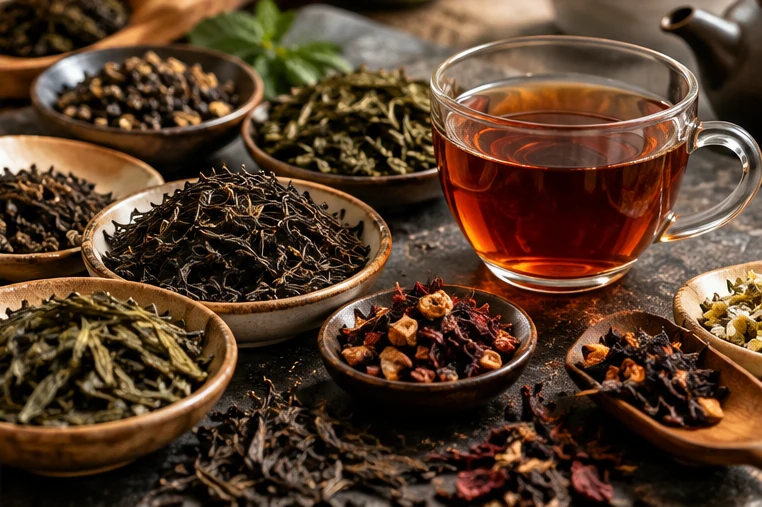
Tea is an important part of many cultures. A traditional use shows that a practice exists or existed; it does not, by itself, prove that a particular brewed drink treats an illness. The strength of scientific evidence depends on the ingredient, preparation, amount, study population and outcome.
Why tea traditions matter
People drink tea for hospitality, social connection, taste, warmth and routine—not simply for health. UNESCO recognises traditional tea-processing practices and their social role in China, including serving tea at home, work and ceremonies. UNESCO separately documents the importance of freshly brewed çay for hospitality and social life in Türkiye and Azerbaijan. These are cultural facts; neither UNESCO inscription is evidence that tea prevents or treats a medical condition.
That distinction makes room for genuine cultural appreciation. A ritual may be meaningful or comforting without needing to be advertised as a treatment.
Three different questions to ask
Traditional use: What did people in a particular region, period or family use the drink for? A good answer should identify who practised it and, ideally, cite a historical or ethnographic source.
Current belief: What do contemporary drinkers expect from it? People may call a drink “calming”, “digestive” or “cleansing”. Such descriptions can reflect taste, routine or marketing as well as beliefs about health; they are not clinical outcomes.
Scientific evidence: Was a defined product tested in people? Was the study randomised? Was it compared with placebo or standard care? Was the outcome measured and clinically meaningful? Was the preparation a tea, an essential oil, an extract or a capsule? These questions determine what conclusions are reasonable.
Example: chamomile and sleep
Chamomile infusions are popularly associated with a quiet evening. According to the U.S. National Center for Complementary and Integrative Health (NCCIH), evidence for chamomile treating insomnia is extremely limited; a review it cites found no benefit in the single insomnia study examined. That does not prevent someone who tolerates chamomile from enjoying its flavour as part of an evening ritual. It does mean OngTeh should not call it a proven insomnia treatment.
Safety matters, too: some people with allergies to ragweed or related plants may react to chamomile. NCCIH also flags possible medicine interactions, including reports involving warfarin. Anyone with relevant allergies, medical conditions or medications should seek appropriate professional advice.
Example: peppermint, ginger and digestion
These botanicals illustrate why preparation matters. Peppermint leaf tea and enteric-coated peppermint-oil capsules are not interchangeable. Some evidence suggests the capsules may help certain irritable bowel syndrome symptoms, but NCCIH states that very little research exists on peppermint leaf itself. Peppermint oil can also cause or worsen heartburn in some people.
Similarly, ginger has a long history of use for nausea and gastrointestinal discomfort. Studies suggest benefit for some kinds of nausea, but most tested dietary supplements rather than ordinary ginger tea. A mild ginger infusion can be an enjoyable drink without promising a proven treatment effect. Frequent vomiting, persistent abdominal pain or other concerning symptoms warrant medical assessment rather than reliance on a tea article.
Example: green tea versus concentrated extracts
Green tea, black tea, white tea and oolong are made from Camellia sinensis. They generally contain caffeine. The scientific literature often mixes studies of brewed tea with studies of concentrated extracts. These are not the same exposure. NCCIH reports that green-tea beverage consumption has not raised safety concerns for most adults, while uncommon liver injury has been reported primarily with concentrated green-tea extracts in tablets or capsules. Neither finding justifies calling brewed tea a miracle drink.
How to make a practical, safer choice
Start with a clear goal: a pleasant hot drink, a caffeine-aware daytime cup, or a naturally caffeine-free evening infusion. Check the actual ingredient list rather than relying on words such as “sleep”, “detox”, or “gentle”. Some herbal blends contain caffeinated tea, and naturally caffeine-free ingredients may be mixed with stimulants.
Take greater care during pregnancy, breastfeeding, childhood, with known allergies, or when taking prescription medicines. Natural does not mean risk-free. For example, the NHS advises limiting caffeine in pregnancy and notes uncertainty about the effects of many herbal teas. For medical concerns, prioritise qualified clinical advice.
Questions worth asking
Does centuries of traditional use prove that a tea works?
No. It supports the existence and meaning of a practice. Clinical efficacy requires separate evidence.
If a study found benefits from an herb capsule, does tea made from that herb work too?
Not necessarily. Concentration, preparation, dose and absorption can differ substantially.
Can a tea still be worth drinking if its health effects are unproven?
Yes. Taste, enjoyment, warmth and social ritual are valid reasons to drink an appropriate tea or infusion.
Sources and further reading
These references are provided so readers can independently check the specific cultural and health claims made here. This is not a systematic review or external clinical peer review.