
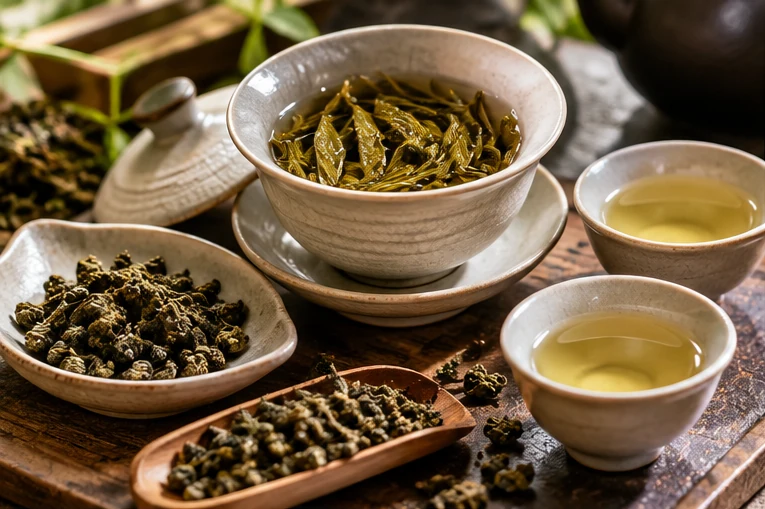
Evidence snapshot: different food ingredients require different handling; always prioritise the maker’s food-safety instructions.
Tradition and current beliefs explain why people use a tea or herb; they are not proof of a treatment effect. Research applies only to the specific preparation and dose studied. Results from oil, capsule and extract trials must not be presented as demonstrated benefits of a brewed cup. Sources are linked for independent checking. These guides have not had external clinical peer review.
Know the ingredient
Tea leaf, roasted barley, peppermint, dried chamomile flowers and ginger root vary in density, flavour release and recommended preparation. A packet instruction from a trustworthy supplier should come before generic recipes.
Use food-grade ingredients and clean utensils. Wild-foraged plants can be misidentified or contaminated and are not a shortcut to a safer brew.
Temperature and steeping are flavour tools
Boiling water can be appropriate for some dried ingredients; other drinks taste better with cooler water. Start with supplier directions, then adjust within safe instructions for a flavour you enjoy. A stronger cup is not automatically a healthier one.
Keep hot water away from children, use heatproof vessels and let the infusion cool before drinking. Avoid claiming that a particular steeping time eliminates caffeine or makes an herb medically active.
Hot or iced?
A brewed botanical infusion can be cooled and served over ice if handled hygienically. Prepare with clean equipment, cool promptly and refrigerate if storing. Do not leave prepared drinks sitting warm for extended periods.
Citrus slices or edible herbs can contribute aroma; wash fresh ingredients appropriately. Added sugar is optional.
A useful tasting journal
Note the ingredient, water temperature recommended by the producer, approximate steeping time and whether you enjoyed the result. Personal tasting notes are more actionable than generic “miracle cup” lists.
If an ingredient repeatedly causes discomfort, stop drinking it and seek appropriate advice where symptoms persist.
Frequently asked questions
Do all herbal teas steep for the same time?
No; follow ingredient-specific instructions.
Can I make tea with essential oils?
No. Essential oils are concentrated products, not substitutes for food-grade herbs.
Does longer steeping eliminate caffeine?
No; that is not a reliable way to make true tea caffeine-free.
Sources and further reading
Primary public-health sources for the main claims above. Research on an extract or supplement is not automatically evidence for a brewed beverage.