Evidence snapshot: replacing sugary drinks with unsweetened alternatives can reduce added sugar intake.
Tradition and current beliefs explain why people use a tea or herb; they are not proof of a treatment effect. Research applies only to the specific preparation and dose studied. Results from oil, capsule and extract trials must not be presented as demonstrated benefits of a brewed cup. Sources are linked for independent checking. These guides have not had external clinical peer review.
Check what is added
Tea leaves and botanical infusions can be enjoyed without added sugars. Packaged drinks, bubble teas and pre-mixed powders may contain sweeteners, flavoured syrups, condensed milk or sweet toppings. Reading a nutrition label is more useful than assuming anything called tea is a low-sugar drink.
The CDC identifies sugary beverages as a meaningful source of added sugar. Water and unsweetened teas are options when reducing this source.
Choose flavour from ingredients and brewing
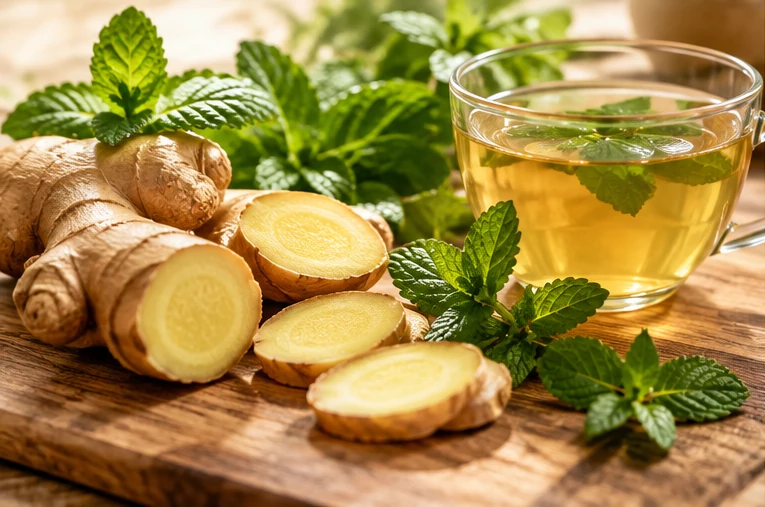
Roasted grains, mint, ginger, citrus peel and different tea leaves can provide variety without a sweetened concentrate. Brewing time, water temperature and serving temperature also change the taste experience.
If you like sweet tea, gradual change is possible: ask for less sweetener or experiment with unsweetened versions. The objective is sustainable preference, not moralising individual choices.
Be sceptical of “detox” marketing
Words such as detox, fat-burning, belly-flattening and miracle are especially poor substitutes for evidence. Some products marketed this way contain stimulant laxatives or very high doses of ingredients.
OngTeh does not position tea as a cure, a weight-loss treatment or a replacement for nutritious meals, sleep and movement.
A practical order checklist
Look for total and added sugars, actual ingredients, caffeine, portion size and whether claims are backed by an identifiable source. If a seller gives an exact therapeutic promise without explaining the preparation and evidence, treat it with caution.
Frequently asked questions
Is milk tea always unhealthy?
No single drink defines health. Check portion size, frequency and added sugar.
Does zero sugar mean caffeine-free?
No. Caffeine and sugar are different properties.
Can tea replace a meal?
It should not be promoted as a nutritionally adequate meal replacement.
Sources and further reading
Primary public-health sources for the main claims above. Research on an extract or supplement is not automatically evidence for a brewed beverage.